

Transitional & Post-Hospital Care · Sterling Heights

Transitional Care in Sterling Heights After a Hospital Stay

We step in the day you come home from the hospital and follow your discharge plan through those first shaky weeks.

Short-term installs · typical timeline
Free Quote

Free Transitional & Post-Hospital Care quote.

We reply within 1 business hour. No spam, ever.

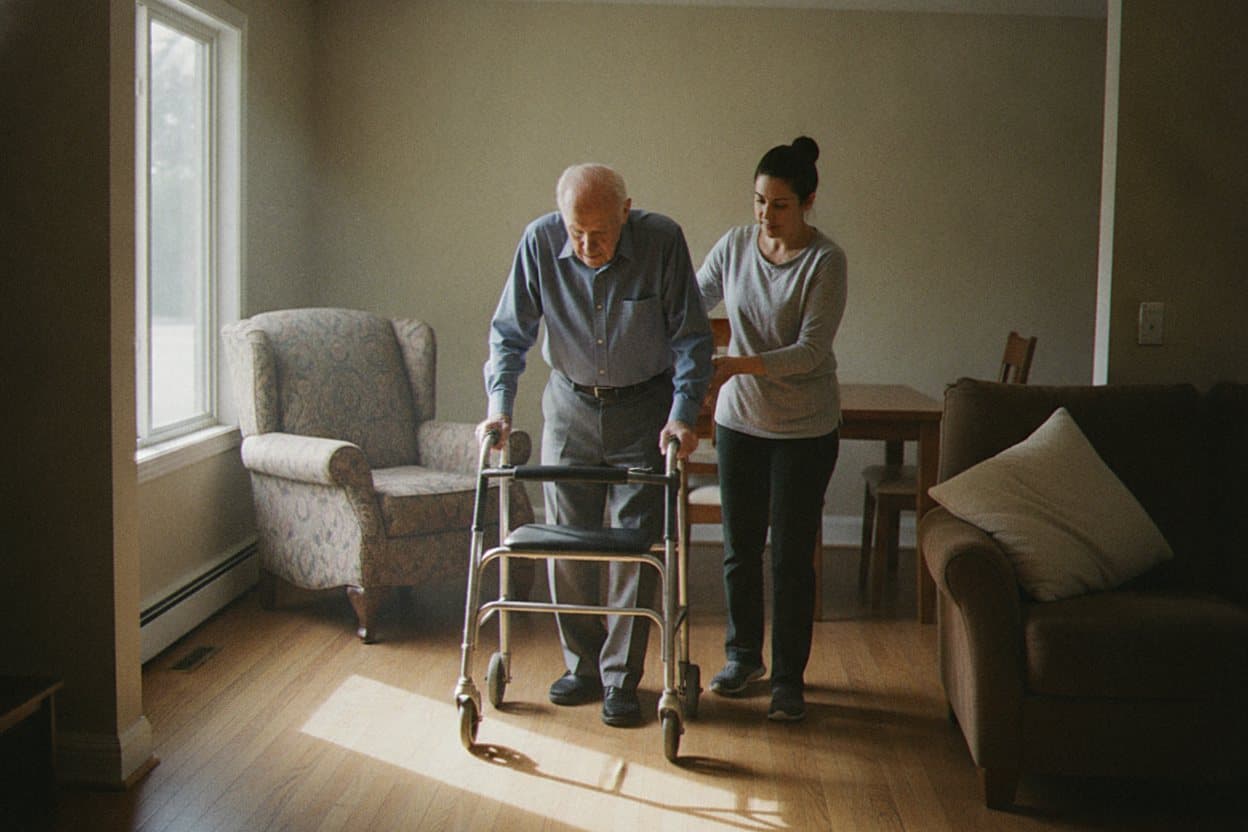
Caregiver helping client practice walking with walker
Elderly person resting during post-hospital recovery
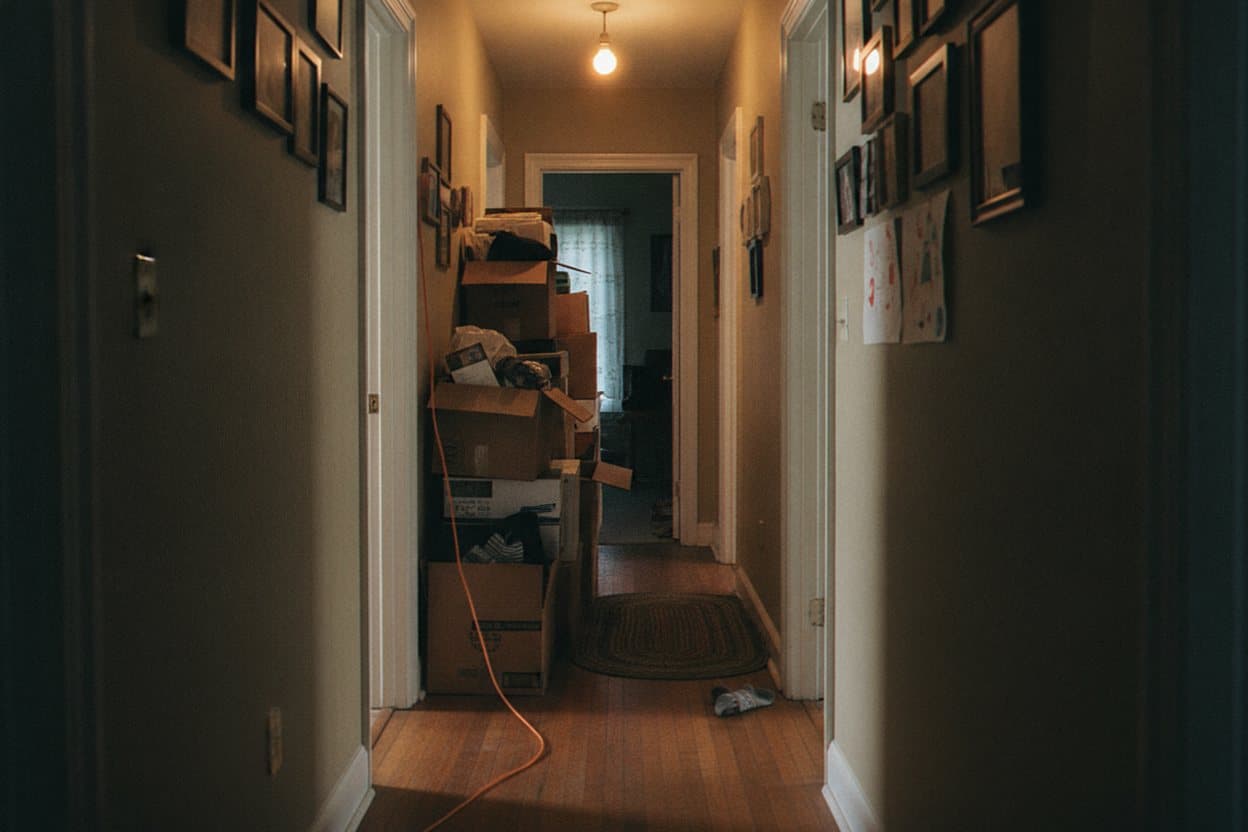
Hallway with hazards before safety improvements
What we install

Getting home safe and staying home for good

Transitional care in Sterling Heights covers the risky weeks right after a hospital stay. That is when a fall or a missed pill can undo all the progress you made. Coming home should feel like relief. Instead, the first weeks are when many people slip backward and land right back in a hospital bed. We handle that gap. Our team meets you at the door and reads the discharge papers with you. We keep the recovery on track, so a rough morning does not turn into another ambulance ride. If round the clock help fits better, we also offer continuous home care.

Every transitional care plan starts with the paperwork the hospital sends home. We turn those orders into a simple daily rhythm. There are reminders for each pill, notes on what to watch for, and meals that match any new diet. Someone is there to steady you on the stairs and drive you to a follow up visit. We spot the small warning signs early. When something looks off, we call your family and your nurse before it turns into an emergency.

  • We meet you at discharge and ride home with the new instructions in hand.
  • Medication reminders kept on time, every dose, every day.
  • Help with bathing, dressing, and slow walks to rebuild your strength.
  • We watch for warning signs and call your nurse before they grow.
  • Rides to every follow up appointment around Macomb County.
The first three weeks home decide everything, so we treat them like the most important part of the recovery.

We live and work here in Sterling Heights. We know the drive home from Henry Ford Macomb and the climb up Hall Road. We know how a sheet of ice on the porch steps turns into a fall in January. Our caregivers show up on time and stay the whole shift. There are no rotating strangers each day. The same familiar face learns your routine, your kitchen, and the way you like things done. That trust is what keeps transitional care working when the recovery gets long and tiring.

A safe transitional care plan at home starts with one phone call. Tell us your discharge date and what the doctor ordered, and we will have a caregiver ready the day you walk through the door. Reach out today for a free care plan.

Materials

What a safe recovery setup needs

A good transitional care setup is less about fancy gear and more about removing the things that cause falls. We walk the home first and clear the tripping hazards. We move the loose rugs, the cords across the hallway, and the clutter in the dark corner by the stairs. Then we put the basics in reach. A sturdy grab bar by the shower, a raised seat where it helps, and a clear path from the bed to the bathroom for those late night trips.

The other half of transitional care is the plan itself, and it matters just as much as any grab bar we set by the shower. We keep the discharge orders, the pill list, and the appointment dates in one place. Any caregiver on the shift can read them at a glance. A whiteboard on the fridge often beats an app. So we use whatever the family will actually look at every single day. Simple tools win, while the clever ones just gather dust.

  • Loose rugs and cords cleared from every walking path
  • Grab bars and raised seats placed where they help most
  • Discharge orders and pill times posted in plain sight
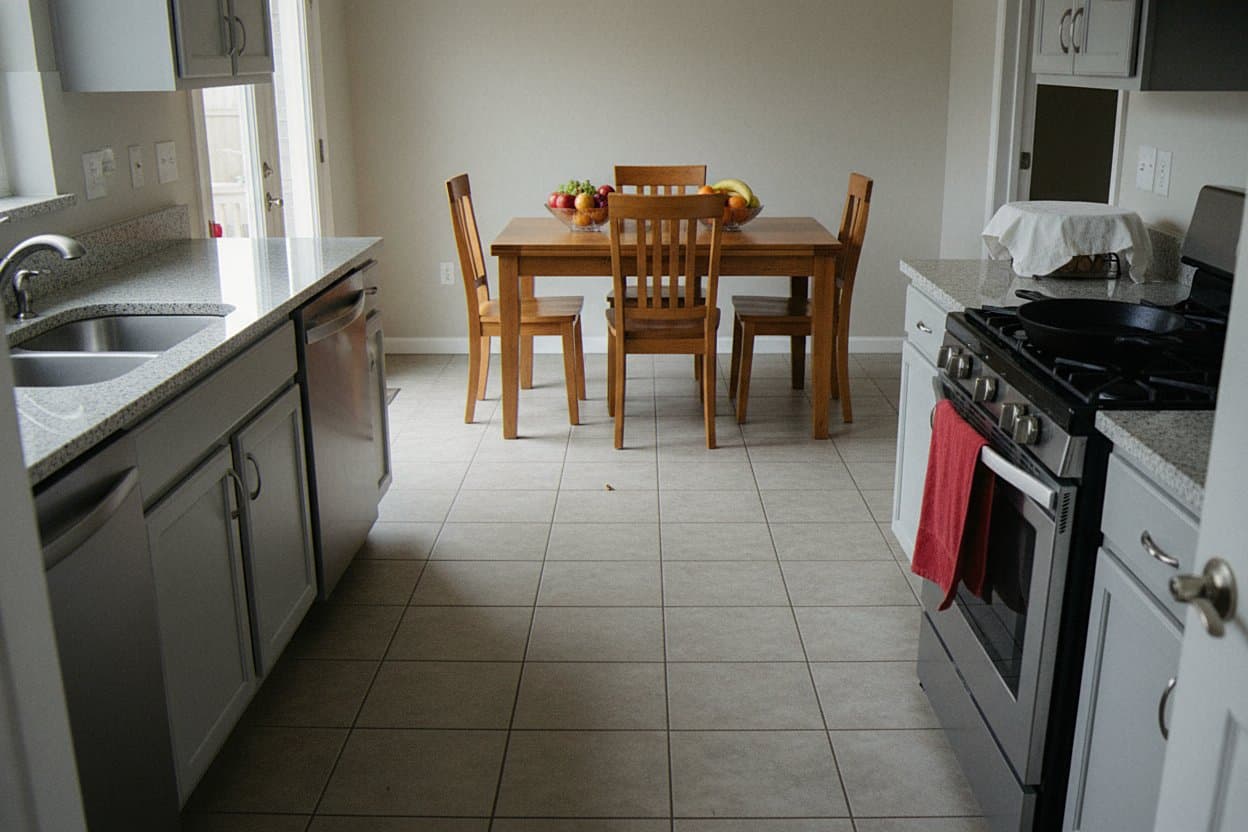
Accessible kitchen with daily living aids installed
Caregiver thoroughly washing hands before caregiving
What about the alternatives?

Ways families cover the first weeks home

After a hospital stay, most Sterling Heights families weigh a few transitional care options for that first stretch. Here is how the common ones tend to play out.

Family does it all

Loving but hard to keep up. Work, kids, and sleep loss wear people down fast, and that is when a missed dose or a fall slips through.

Acceptable

A rotating agency

Coverage gets filled, but a new face each day never learns the routine, and the recovery suffers from the constant restart.

Skip

Our transitional care

Same caregiver, the discharge plan followed closely, and a steady set of eyes watching for trouble through the whole recovery.

Recommended

No extra help

Fine for a strong, quick bounce back, but risky after surgery or a long stay when energy and balance are still low.

Skip
How it goes

From quote to walk-on, fast.

01

Your inquiry

Call or send the short form with what is going on at your place. A sentence or two is plenty for the first step.

02

We talk it through

We go over the situation on the phone, ask the questions that matter, and tell you what we would do next.

03

A clear plan

You get a plain-language rundown of the work, the order it happens in, and what to expect on the day.

04

The work gets done

Our crew shows up when we said, does the job, and walks you through the result before leaving.

Before you book

Is transitional care worth it after a hospital stay?

Most families wrestle with the same few worries before they call. Here are honest answers.

How long do we usually need it?
Most transitional care recoveries lean on us heaviest for the first two to four weeks. That is when the risk of a setback is highest. Some families taper down to a few visits a week once things steady. Others wrap up once the doctor clears them. We do not lock you into a long plan, and we adjust as the recovery moves along.
Can you work with our home health nurse?
Yes, and we do it all the time. We are the non medical hands that fill the hours the nurse cannot. We help with bathing, meals, and daily living while they handle the clinical side. We keep notes the nurse can read and flag anything that needs a medical eye. Good transitional care fits around the rest of your care team, not over it.
What if the hospital stay was short?
A short stay can still leave you weak, dizzy on the stairs, or behind on a new pill routine. Even a few days of help can keep a quick stumble from turning into a second trip. We help you get home, settled, and back into a rhythm. We scale transitional care to match, whether that is a week or a month.
Aftercare

Keeping the recovery going after care ends

Transitional care is meant to fade as you get stronger. So we build good habits that stick once we step back. Before our last visit, we walk the family through the pill routine and the warning signs that mean call the doctor. We point out the small home fixes worth keeping through the Michigan winter. A recovery does not end on a calendar date. It ends when the daily rhythm feels safe and normal again. We leave you set up to hold that on your own.

  • Keep the grab bars and clear walking paths in place
  • Hold the pill routine even on the good days
  • Know the warning signs that mean a call to the doctor
  • Keep a few easy meals stocked for low energy days
Hands sharing a warm tea cup moment
FAQ

Questions families ask about coming home

What is the difference between personal care and companion care?
Personal care is hands on help with the body. We assist with bathing, dressing, grooming, and safe moves around the home, so your parent stays clean, comfortable, and steady on their feet through the parts of the day that have gotten hard. Companion care is lighter. It covers company, meals, conversation, and rides to the doctor or the store. Many families start with one, then add the other or bring in respite care as the need grows.
How soon can in home care begin for your family member here in Sterling Heights?
Often within a few days. We come out for a home visit, learn the routine, match a caregiver as fast as the schedule allows, and then walk you through what the first week will look like so nothing catches you off guard. If the need is urgent after a fall or a hospital stay, tell us. We will move faster.
Does in home care work alongside hospice or home health nursing?
Yes, and it often does. We handle the daily care like bathing, meals, and company, while the nurses and the hospice team manage the medicine, the symptoms, and the medical decisions that belong to clinicians. We keep notes and stay in step with them. Nothing slips between visits. Our job is to make the home calm and safe around the care they provide.
Can you provide care after a hospital discharge when my parent comes home?
Yes, and the first weeks home matter most. We follow the discharge plan, keep the medicine on schedule, and watch for the small warning signs that quietly send people right back to the hospital before anyone thinks to call the doctor. Our in home care covers meals, bathing, and safe steps. Your parent heals at home, where the recovery has its best shot.
How do you match a caregiver to my loved one?
Good in home care starts with a home visit to learn your parent, their routine, and what they enjoy. Then we pick a caregiver whose patience and temperament fit, not just whoever happens to be free that week. We keep that same caregiver in the home. Trust needs time. If the fit is ever wrong, we say so, and we change it.
Ready when you are

Let's make your next steps easier

Tell us what is going on at your Sterling Heights home and we will walk you through the options. One call or one short form is all it takes.

Call (586) 685-7851Make your inquiry
CallContact us